About Me: Charlotte (Charlie) Stone

Hi, I’m Charlie, and my goal as a music teacher is to teach my students how to learn… and not just about music!
I would love for all of my students to become accomplished conservatory musicians, but the reality is that only a very small percentage of students will ever be inclined to go down that path. A student’s time with me will not have been wasted if they emerge from lessons having learned even one strategy or coping skill that can be applied in another area of their life, or if they develop an expressive and creative outlet for their thoughts and emotions. This is why I teach.
I was lucky enough to have begun teaching at the time that my own teacher was preparing to retire, and therefore received one-on-one mentorship for my first few years. I began teaching at a commercial music school, working closely with other private teachers on a daily basis. Early in my career, I also worked as a contractor delivering group programs in a number of primary schools throughout the Perth metropolitan area.
During this time, I completed majors in psychology and linguistics in addition to my music performance diploma. These academic studies gave me a very solid understanding of developmental psychology, theories of learning and skill acquisition, performance anxiety (and how to prevent or manage it), language development, learning difficulties and developmental disorders, and much more!
I set up my first private studio in my home in the Northern suburbs of Perth around two decades ago - I later moved to Geraldton with my partner (just in time for covid…) and established Charlie Llama Music School as the pandemic restrictions began to be lifted. Since then, I’ve had the great honour and privilege to work with many bright and enthusiastic little learners in Geraldton, and to travel for a number of workshops and conferences in order to keep my professional knowledge up to date.
Over the many years I have been teaching, I have accumulated a great deal of experience working with neurodiverse students. I am diagnosed with autism and ADHD myself, so find that I am able to understand these students and anticipate their needs fairly instinctually. I also have a great deal of experience working with students with specific learning disorders (i.e. dyslexia and dyscalculia), and enough experience with dyspraxia, oppositional defiant disorder, downs syndrome, and cerebral palsy to feel confident that I have the skills and knowledge required to be effective with students who have these conditions.
I don’t exclusively teach students with complex needs, but I certainly don’t avoid teaching them either. Every child has the right to receive quality education that is tailored to their individual needs, preferences, and goals, and to engage with music in ways that are meaningful and enjoyable to them. One sign that I look for to evaluate my own performance as a teacher is whether or not I am still learning alongside my students. Some of my students teach me about their topics of special interest, which I love to incorporate into learning activities, whilst others ask questions or request repertoire that requires me to go and find answers or to explore artists or soundtracks that I hadn’t heard of before. When a student struggles with something and none of my established methods or solutions work for them, it provides opportunities for me to reanalyse problems and come up with new solutions. This means that I am constantly adding to my “toolkit” and strengthening my teaching practice, and this benefits every single student who comes to me regardless of whether they have the same diagnosis (or no diagnosable conditions)!
I believe that music lessons are an excellent way for children to learn about themselves and to develop a life-long passion for the act of learning. The one-on-one nature of my lessons allows me to give each student more time and individual attention than they would otherwise receive in a school setting. This means that I am able to engage in metacognitive teaching strategies (teaching students to become aware of and to think about their own mental processes in order to become more effective learners) and teach problem solving strategies and coping skills that enable students to use their strengths to accommodate for and improve upon their weaknesses. This results in students developing a greater sense of self-efficacy (the belief that they can succeed with a task) and therefore to higher levels of engagement and motivation. Children learn best when they know how to learn and feel empowered to do so!
Self-acceptance, self-confidence and self-directed learning are the ultimate goals and best rewards of an education in music. I’m both proud and humbled to be a part of that journey for my students.
-Charlie
qualifications & accolades
BACHELOR OF SCIENCE: PSYCHOLOGY & LINGUISTICS
ASSOCIATE OF TRINITY COLLEGE LONDON (PIANO RECITAL)
GRADE 8 (HONOURS) AUSTRALIAN MUSIC EDUCATION BOARD (PIANO)
FIRST PLACE: FREMANTLE EISTEDDFOD (OPEN COMPOSITION, 2013)
SECOND PLACE: JOONDALUP EISTEDDFOD (OPEN SOLO, 2013)
HIGHLY COMMENDED: JOONDALUP EISTEDDFOD (OPEN COMPOSITION, 2013)
HIGHLY COMMENDED: JOONDALUP EISTEDDFOD (OPEN SOLO, 2012)

“Find a job you enjoy doing, and you will never have to work a day in your life.”
-Someone who clearly wasn’t a teacher
And now for a quick word on inclusivity…
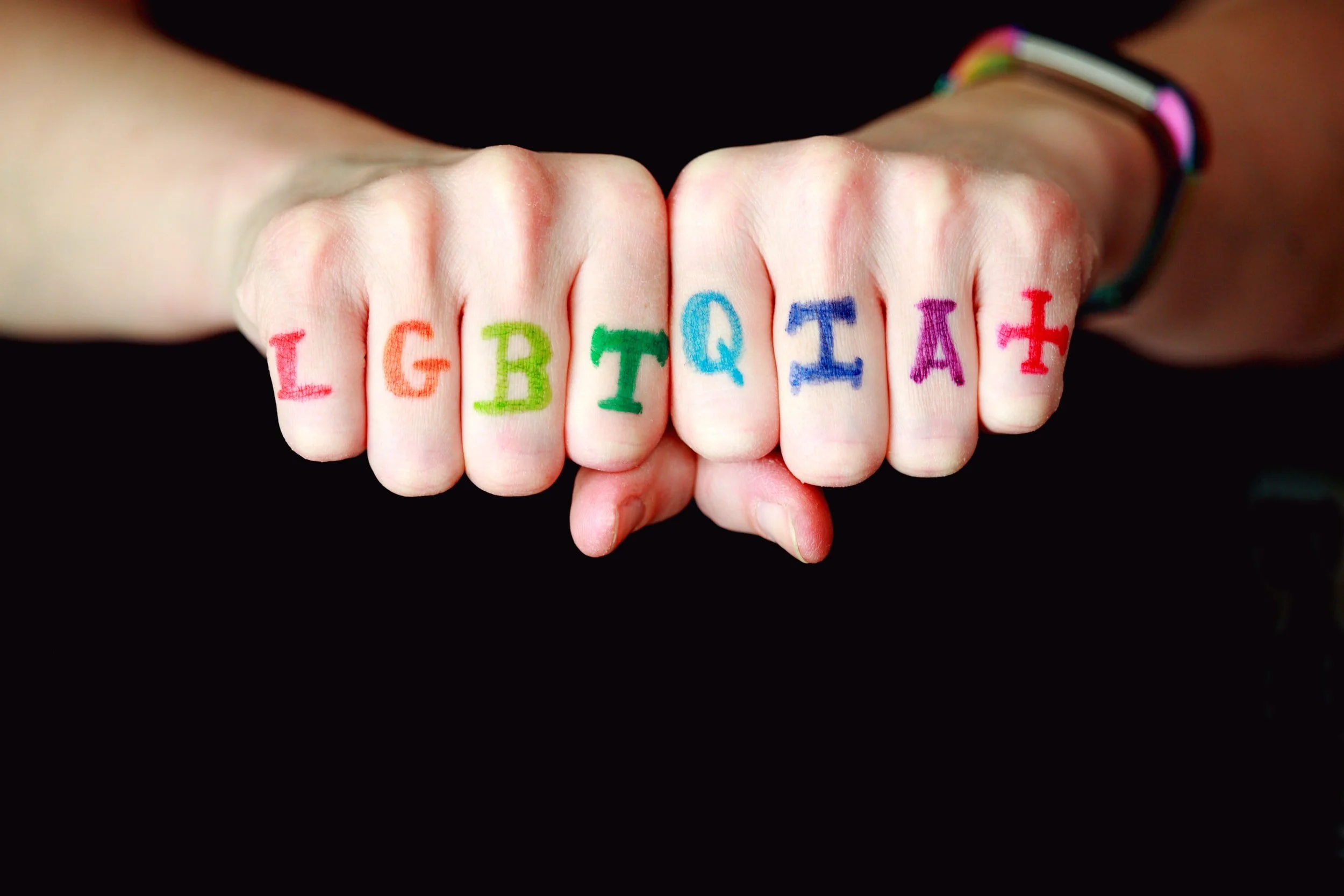
My studio is a safe, friendly and inclusive space for all,
where we recognise you for who you are.

If there is anything we can do to make your lessons more comfortable, please don’t hesitate to ask. All enquiries are handled discreetly and respectfully.